
Building Bridges Beyond Hospital to Better Health
An elite, nurse-led, fully supervised transitional recovery program helping hospitals safely transition medically stable patients to recovery, stability, and home.
Explore 5-Stage Path
Nursing Advisory
Hospital Solutions
Uncovering the missing link in healthcare safety transitions: supporting medically stable individuals as they return to communities.
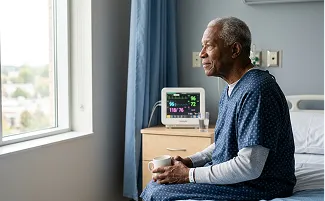
“Patients are medically stable. But not ready to recover alone.” Hospital systems face immense pressure to discharge efficiently, leaving individuals at risk of relapse without active community safety structures.

“Sentinel provides nurse-led transitional recovery.” We deploy clinical surveillance, rigorous medication safety reconciliations, and constant communication links directly with acute-care systems.

“Healthier recoveries. Safer discharges. Stronger communities.” Experience immediate drops in readmissions while patients confidently rebuild functional health and individual autonomy.
Review standard guidelines for medically stable post-discharge placements.
“To build innovative healthcare partnerships and services that improve care transitions, strengthen nursing leadership, and expand access to compassionate, high-quality healthcare for individuals and communities.”
Our actions are held accountable by a singular executive question: “How does this help build the bridge?”
Every initiative undertaken by Sentinel shall clearly define the problem it seeks to solve, the solution it proposes, the outcomes it intends to achieve, and the way in which it strengthens the bridge between healthcare and sustained well-being.
Our dual-operating divisions are strategically built to align clinical practice with world-class institutional safety frameworks.

An integrated, executive healthcare governance company dedicated to improving healthcare transitions, advancing nursing leadership, and developing innovative care solutions.
Providing custom Fractional Chief Nursing Officer services, executive clinical governance systems, and policy frameworks for Office of People with Developmental Disabilities (OPWDD) & Behavioral Health Organizations.
Deploying specialized, nurse-led transitional recovery housing, complex transitional recovery management, housing coordinate stabilization, and active care transitions.
Our nurse-led model is built on evidence-informed priorities established by the Centers for Medicare & Medicaid Services (CMS) to reduce avoidable hospital readmissions, address social determinants, and ensure continuous safety.
— 2024 National Impact Report ↗
Nearly 1 in 6 Medicare fee-for-service beneficiaries is readmitted within 30 days of discharge, making hospital readmissions one of the nation's most closely monitored quality indicators.
CMS operates the Hospital Readmissions Reduction Program (HRRP) specifically to encourage hospitals to improve discharge planning, care coordination, and post-discharge support by tying Medicare payment to readmission performance.
CMS National Impact Assessment Report ↗
Returning to the hospital shortly after discharge disrupts recovery, increases exposure to hospital- associated complications, and drives unnecessary healthcare spending, which is why reducing avoidable utilization remains central to value-based care.
Data CMS ↗
Sentinel's nurse-led transitional recovery and coordinated care model directly addresses the same priorities emphasized by CMS: improving discharge planning, strengthening continuity of care, and reducing avoidable hospital utilization.
Research summarized by CMS shows that timely follow-up after behavioral health hospitalizations and emergency department visits is associated with fewer readmissions, improved medication adherence, and lower suicide risk.
Medicaid Quality Initiative ↗
Medicaid beneficiaries often face fragmented care systems. CMS-led behavioral health learning collaboratives aim to improve physical and mental health service integration, closing transition gaps.
Continuous engagement during post-acute transitions may reduce the risk of clinical deterioration while supporting medication adherence and recovery

Sentinel's interdisciplinary care coordination model supports timely follow-up, medication management, and community linkage after discharge—activities that align directly with CMS quality improvement priorities.
— Academic Research Arxiv ↗
CMS encourages healthcare organizations to identify and address health-related social needs (HRSNs) as part of comprehensive care planning.
HRSN Screening Guidelines ↗
Without effective social coordination, patients facing housing, transportation, food, or other social barriers are at increased risk of avoidable readmissions and poorer recovery following discharge
Addressing non-medical needs alongside clinical support bridges the gap between home-based safety and long-term functional stability.
The Sentinel Bridge Model™ integrates nursing care, community partnerships, and social determinants of health into a coordinated strategy designed to improve outcomes beyond the hospital stay.
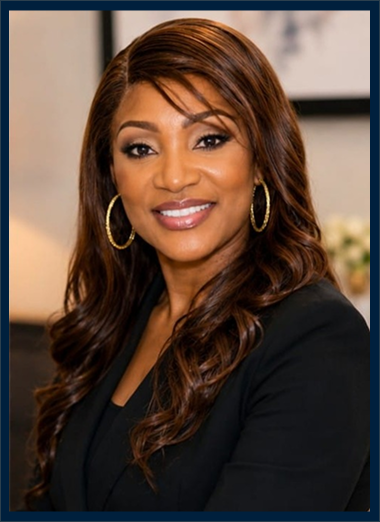
(Doctor of Nursing Practice)
Nkechi Osuji is a seasoned nursing executive who helps healthcare organizations strengthen care delivery, build reliable nursing systems, and improve outcomes for individuals with complex health and social needs. With more than 25 years of leadership experience, she brings the strategic insight of a Chief Nursing Officer and the compassionate focus of a nurse committed to dignity, safety, and healing.
Through medical respite programming and fractional Chief Nursing Officer services, Nkechi partners with hospitals, community organizations, and healthcare teams to create practical, compliant, and patient-centered solutions. Her work supports smoother transitions from hospital to community care, stronger clinical operations, and safer recovery pathways for people who need both medical support and a stable place to heal.
For partners seeking experienced nursing leadership, program development support, or a trusted clinical advisor, Nkechi offers executive-level guidance grounded in collaboration, quality, and compassion.
Optimize value-based contract compliance, eliminate avoidable inpatient days, and build customized discharge pathways with our transitional recovery centers.
Acquire rapid clinical determinations, coordinate medical transportation, and refer stable post-discharge patients to our nurse-led recovery suites.
Our structured, 5-stage clinical process is carefully engineered to transition patients seamlessly from clinical stabilization to sustainable wellness.
Collaboration with hospital discharge teams to execute rapid clinical eligibility reviews and secure medical record ingestion.
In-depth evaluations of clinical safety parameters, prescription reconciliations, and primary physical health metrics.
Designing personalized nursing pathways including wound observation and escalation coordination, medication reconciliation, self-care instruction charts, and post-discharge follow-up appointments assistance.
Sustained clinical tracking while continually communicating statuses to the referring acute care network and primary providers.
Restoring individual confidence, confirming housing stability parameters, and completing a safe handover to outpatient networks.
Our continuously monitored recovery parameters confirm stable clinical transitions, substantial drops in readmissions, and strict adherence to hospital compliance metrics.
Fully integrated with major hospital networks, outpatient systems, and managed care payors to build frictionless, compliant discharge pipelines.
Direct connections with clinical transition leadership. Streamline institutional discharge pipelines, establish Fractional CNO oversight, or reserve post-acute nurse-led transitional recovery housing suites.
Establish live dialog with an active transition coordinator for clinical planning.
Acquire the complete Sentinel Holding Entity charter, safety audits, and care model.
Submit a HIPAA-compliant post-acute placement case immediately to our team.
Review strategic risk-share structures and hospital administrator partnership guidelines.